EDITOR REVIEW
Who pays when public radio goes dark?This is the sign-off. Watch each block — picture and narration together — and approve what you'd put your name on, because that is literally what happens: your name goes into the published receipt as the approver, and nothing publishes without it. This is the only screen that can publish.
One point one billion dollars in federal funding for public radio and television stopped in July twenty twenty-five. A rescissions package eliminated it.
The Corporation for Public Broadcasting distributed federal funds to more than fifteen hundred local public radio and television stations since nineteen sixty-seven. Millions depended on that network.
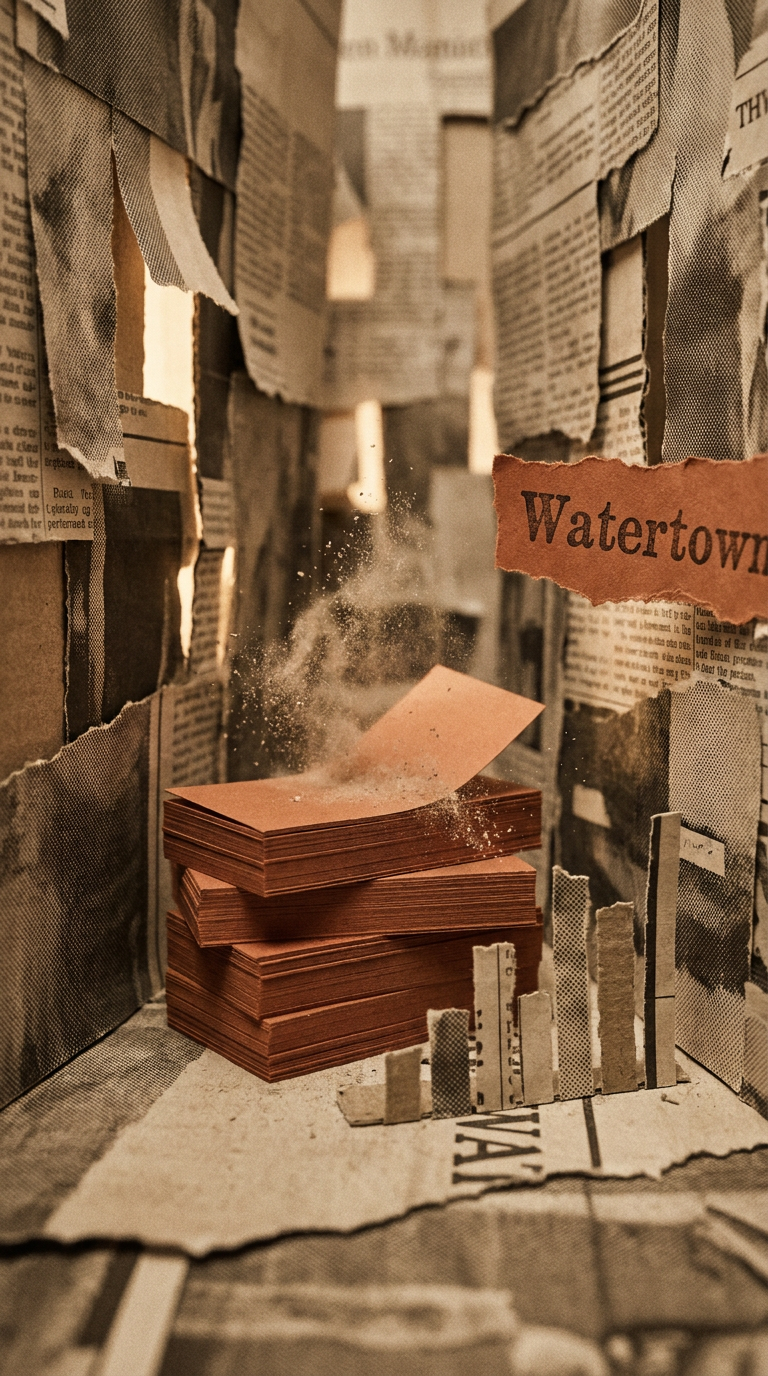
WPBS in Watertown, New York lost about one million dollars. That was a third of its budget. The station cut its workforce by thirty percent.

KUAC in Fairbanks lost one point two million dollars and reduced its overnight broadcasts. Basin PBS in West Texas lost forty-eight percent of its revenue.
CPB cut roughly seventy percent of its staff and began closing out grants after October first with no new funding. Yet some metropolitan stations saw donation surges.
When the federal conduit closes, the bill moves elsewhere. It lands on listeners, on foundations, on whoever steps in to fill the void.
Your name and this timestamp become part of the video's permanent record.
Approve every block first — 6 left.